
Sometimes a new beginning makes you realise that everything you've done before was leading somewhere.
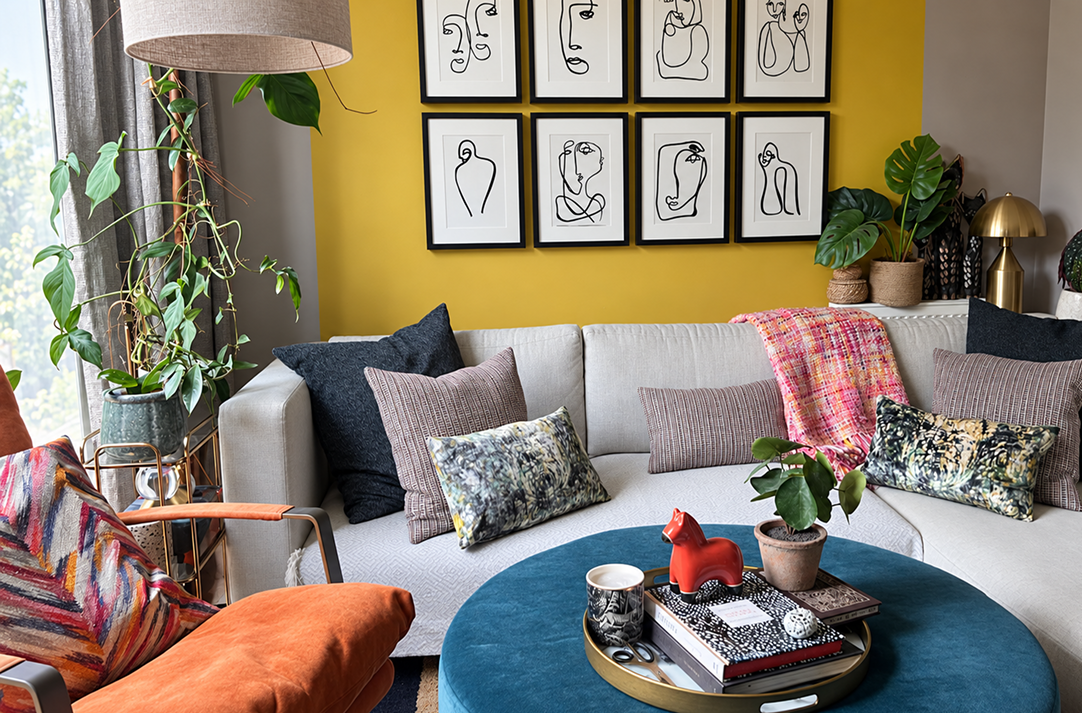
My house, various iterations :)
From Architecture to Textiles: Connecting the Threads of My Creative Journey
In the early 2000s, whenever a new IKEA store opened in Italy, I would organise a trip to visit it.
Not because I particularly needed furniture. I treated those visits almost like museum exhibitions. I could spend hours walking through the carefully designed rooms, fascinated by how colours, materials, furniture and small details came together to create something that felt like a home.
I was trained as an architect and went on to complete a Master's degree in Interior Design, so perhaps this fascination wasn't entirely surprising. I've always been interested in how spaces work, how they feel, and how the different elements within them relate to one another.
But there was something I hadn't quite understood yet.
At the same time, around 2000, I was beginning my career in the digital creative industry as a web developer.
For those who remember, this was the era of noisy dial-up modems, when connecting to the internet involved a small machine making extraordinary sounds before you could even open a webpage.
UX, UI, information architecture and all the disciplines we recognise today weren't yet established in the way we know them now. We did a bit of everything. I particularly disliked the title Webmaster, although I have to admit that's probably what I was!
But writing code wasn't enough for me. I cared deeply about how things looked and felt, so I gradually added web design to my work.
Looking back, the connection seems obvious.
Whether I was designing a physical space or a digital experience, I was fascinated by the same things: composition, proportions, colour, balance, functionality and, above all, the relationship between people and their environments.
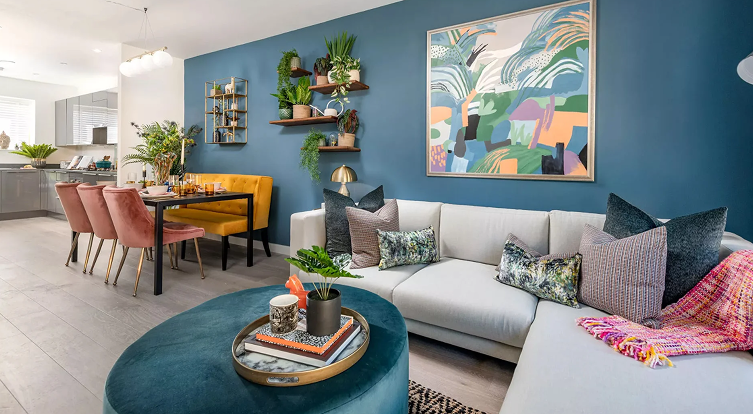
The details that make a space feel like home
What I didn't fully appreciate back then was the role textiles played in my fascination with interiors.
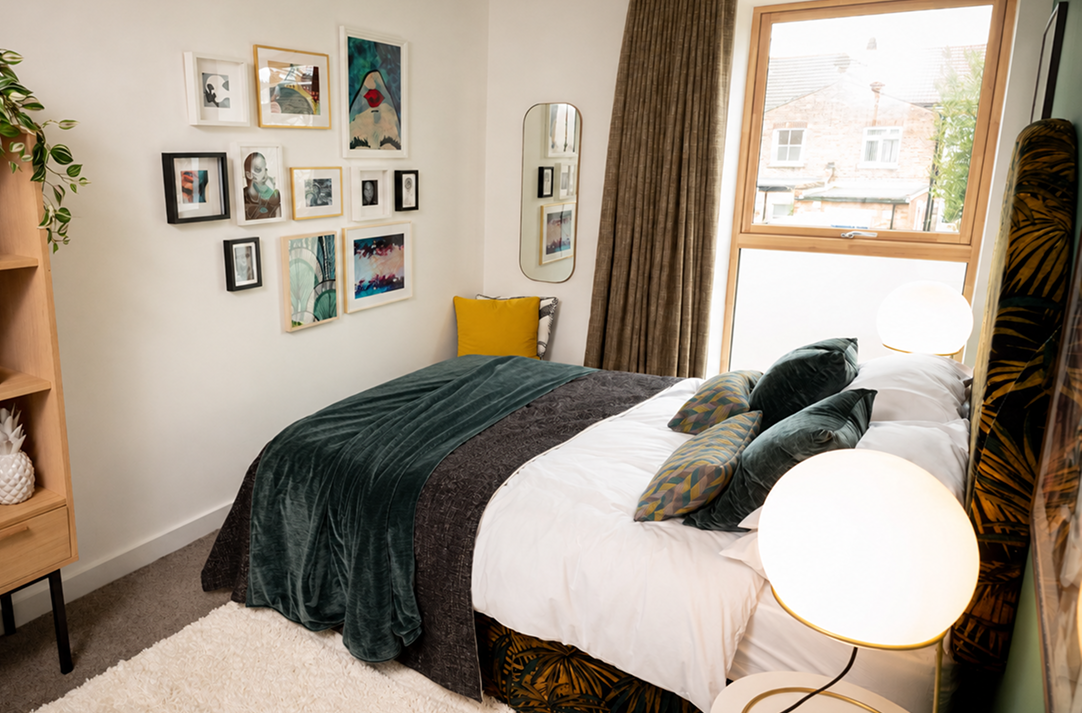
I admired the furniture, the architecture, the clever use of space. But it was often the textiles that transformed those beautifully arranged rooms into places I could imagine actually living in.
The curtains that softened the light. The cushions that introduced colour and personality. The textures that made a room feel warm and welcoming. The small details that brought otherwise separate elements together.
Without them, even the most beautifully designed interior can feel like a magazine photograph: impressive, but somehow distant.
Textiles make spaces more human.
They bring comfort, memories, personality and a sense of belonging. They can change the atmosphere of a room without changing its architecture.
And perhaps most importantly, they offer us the possibility of making a space our own.
It took me years, and quite a few different professional paths, to recognise just how important that was to me.
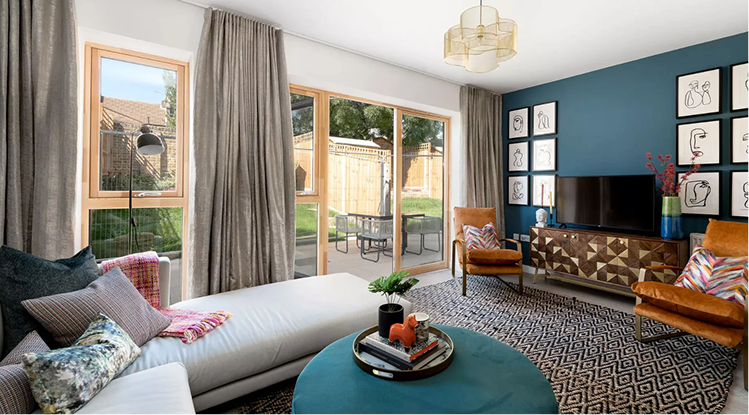
Bringing the threads together
I'm now preparing to teach a new course, Textiles for the Home, with Waltham Forest Adult Learning Service.
And something about preparing this course has made me reflect on my journey.
I'm bringing together years of education, professional experience, experimentation, successes, failures, curiosity and a great deal of learning along the way.
Architecture and interior design. Digital creativity. Sewing and textile making. Sustainability and working with reclaimed materials. Community workshops. And teaching.
What once might have looked like several different careers feels increasingly like one continuous exploration.
There is another important ingredient, too.
I've recently completed my Level 3 Award in Education and Training, which has encouraged me to reconsider not only what I teach, but how people learn.
It has reminded me that teaching isn't simply about transferring knowledge or demonstrating a technique. It's about creating an environment where people feel confident enough to experiment, ask questions, make mistakes, reflect and discover what works for them.
And that has influenced how I'm approaching this course.
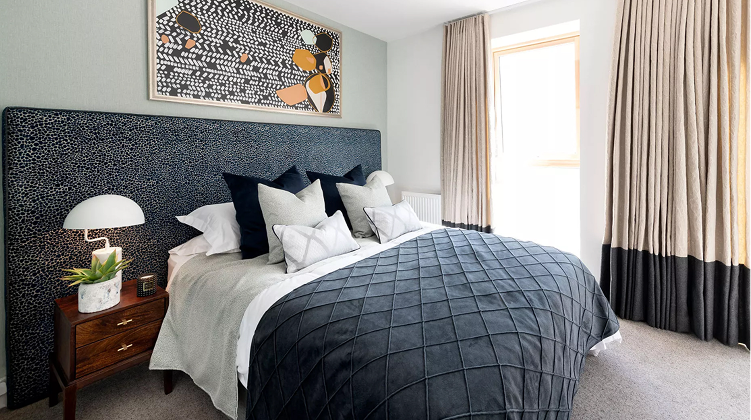
More than learning to sew
Of course, Textiles for the Home is a practical course. We will work with fabrics, develop sewing skills and create handmade pieces for our living spaces.
But I want it to be more than a series of making instructions.
We'll explore some of the principles behind interior design: how colours work together, how different textures affect the atmosphere of a room, how fabrics behave, and how thoughtful choices can transform a space.
There will be interactive exercises, opportunities to experiment with combinations of materials, discussions, reflections and practical challenges.
We'll also explore the creative possibilities of reclaimed textiles, giving existing materials a new purpose rather than automatically buying something new.
I hope learners will leave not only with something they've made, but with a different way of looking at the spaces around them.
Perhaps they'll notice the relationship between the colours in a room, understand why certain textures feel comforting, or discover that a small handmade detail can make a surprisingly big difference.
Most of all, I hope they'll feel confident enough to make their own creative decisions.
Still learning, still exploring
One of the unexpected pleasures of preparing this course is how alive and motivated it makes me feel.
After so many years of working across different creative disciplines, I'm still discovering new connections between them.
And I'm still learning.
My recent teaching qualification has opened another door, one that I hope will lead to new opportunities to explore education, creativity and the ways we share knowledge.
There's something quite satisfying about realising that the architect who visited IKEA stores like museums, the reluctant Webmaster working with noisy modems, the textile maker experimenting with reclaimed fabrics, and the lecturer preparing her next class are all the same person.
Perhaps they were never separate journeys after all.
I'm looking forward to welcoming my learners, sharing what I've discovered, and, inevitably, learning something new from them too.
Because creativity, like learning, is never really finished.
And who knows? Perhaps someone in the classroom will start looking at cushions and curtains the way I once looked at IKEA showrooms. :)
There's something else that makes this course particularly exciting for me: the fabrics themselves.
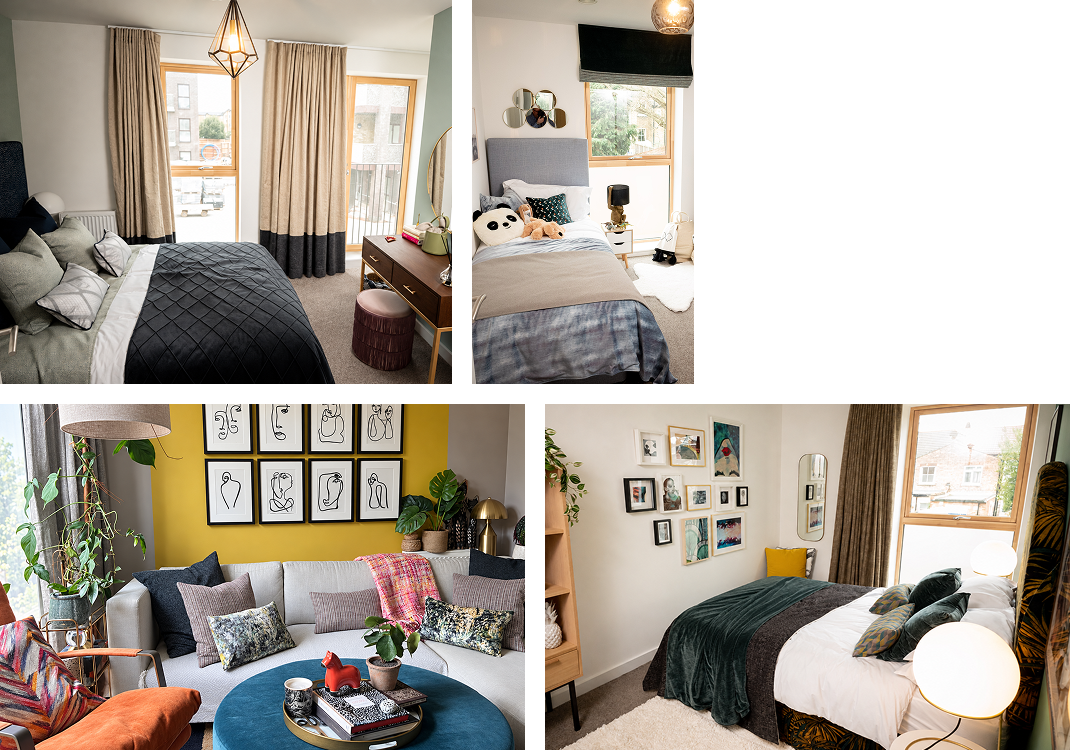
Thanks to a generous donation from Romo, one of The Oakum textile partners, we'll be working with beautiful, unused furnishing fabrics that have been reclaimed rather than discarded. These are premium, high-quality textiles, the kind you might encounter in carefully designed interiors, with wonderful textures, colours, patterns and finishes.
And now they're in our classroom, ready for a new life.
I find this incredibly exciting because it's a rare opportunity for learners to touch, explore, select and combine materials of this quality, discovering how different fabrics interact and how much they can influence the character of a space.
It also brings together two things I care deeply about: appreciating good design and recognising the value of materials that already exist.
Of course, there's something slightly intimidating about handing luxurious furnishing fabrics to beginners and asking them to start cutting and sewing. No pressure!
But that's part of learning, too. Beautiful materials shouldn't be untouchable. They should inspire curiosity, experimentation and the confidence to create something personal.
And I can't wait to see what everyone makes with them.
Textiles for the Home is a seven-week practical course delivered through Waltham Forest Adult Learning Service, combining textile-making skills with an introduction to colour, materials and interior styling.
